

Several designs open with a full-width slideshow. It is a good look for an actor, because it lets you lead with an image rather than with text.
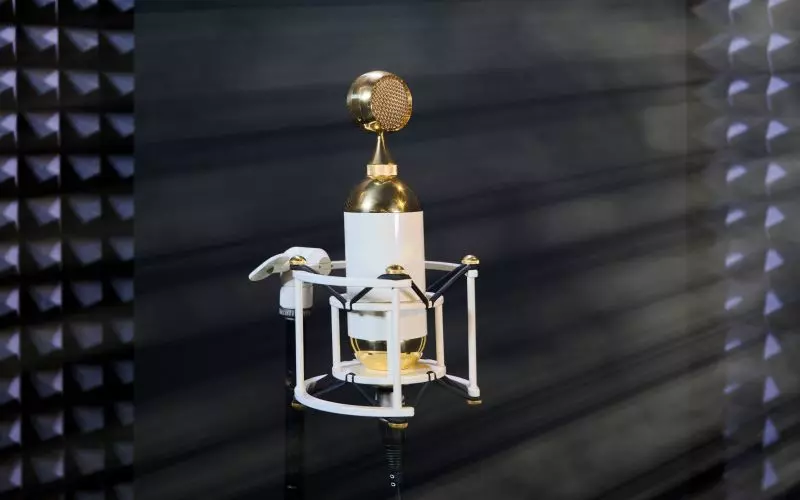
VoiceNow is a new design for voice actor websites. The first thing on the page is a player, not a photograph, because a voice buyer is not casting a face.

Here is a pattern worth recognizing, on any website and not only yours. The menu will not open. The gallery does not enlarge. The counter that should animate sits at zero.
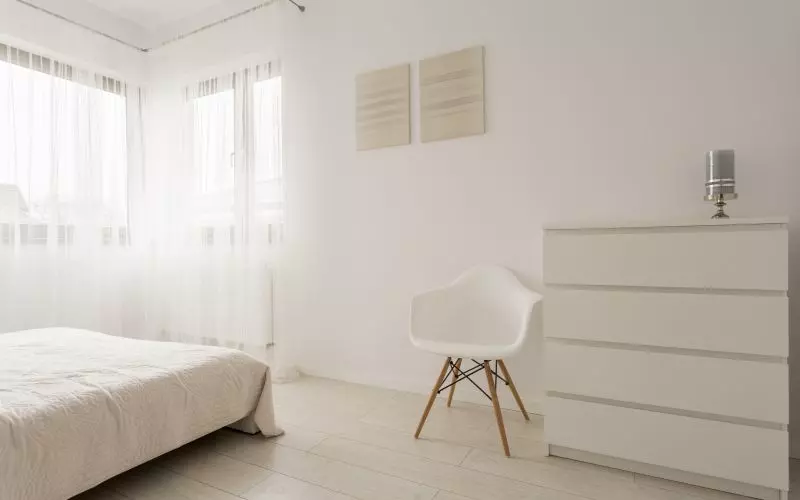
Modernist is a new template in the catalog. It is the most restrained design we have made and it is not for everybody, which is the point of having more than one.
Web design has a habit of expressing a skill as a proportion. A bar filled four fifths of the way, a circular dial reading seventy, a row of stars with three lit.

Every design in the template catalog has a new cover image, captured from the design itself with realistic content in it rather than drawn by hand.
Most of what a browser receives is never seen by the person reading the page. It is instructions: what the page is about, how it should behave, what a search engine should make of it.

The setup checklist on a new free actor website has been rewritten. Fewer steps, in a defensible order, with a clear finish line.

When you are signed in and looking at your own website, you see something your visitors do not: a small badge in the bottom-left corner carrying the brand mark.

Press mentions works by searching a set of sources for your name on a schedule and putting what it finds in your dashboard. Backstage and YouTube are two of those sources.

The admin now receives updates as they happen. A message arriving while you are editing your credits shows up immediately, in the counter and in the list, without you doing anything.

A tiled blog layout, where posts sit in columns of uneven height and pack together instead of lining up in rigid rows, needs a layout library to do the packing.