
Credits on your actor website are now grouped by medium, and the form for adding one has been rewritten around the fields the industry actually uses.
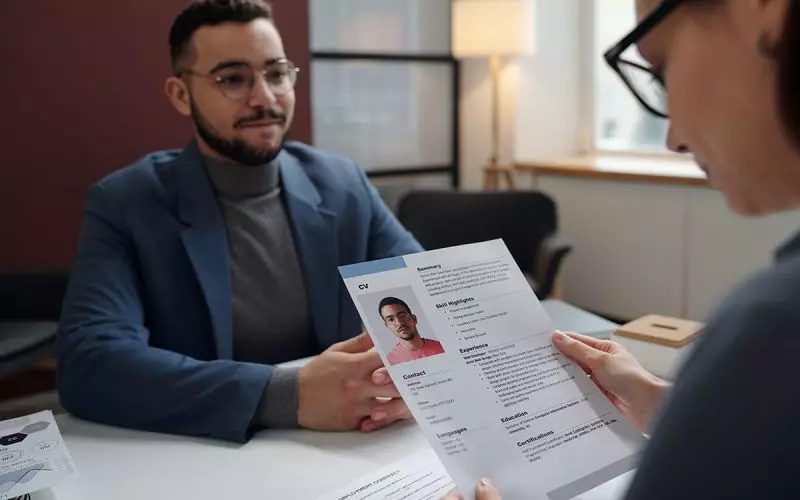
You can now mark individual photographs as downloadable. A small download control appears on those images, and clicking it delivers the full resolution original rather than the web-sized copy.
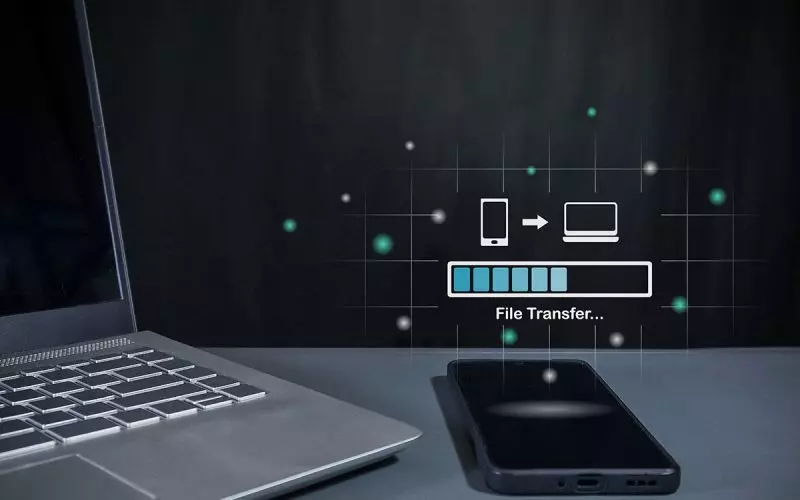
Photo upload on your free actor website now accepts whatever you have and sorts it out on the way in.

Every image on your actor website is now delivered in the best format the visitor's browser can accept.

Every image on every free actor website has been moved onto a global delivery network.

Every design in the catalog now has the same photo viewer. Click a thumbnail, the image opens over the page at full size, and you can move through the gallery with arrow keys, a swipe or the on-screen controls.
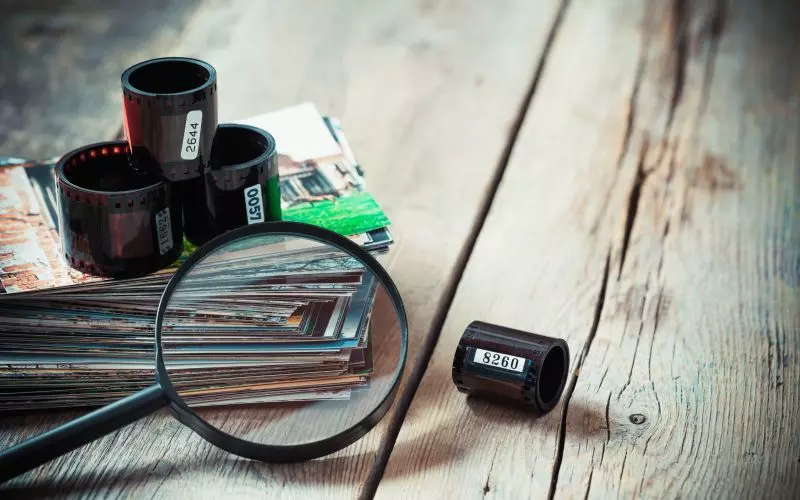
Photo pages were the slowest thing on an actor portfolio website. They are not any more.
Connecting SoundCloud to your website is a one-time action, and it is supposed to stay done.

If your audio already lives on SoundCloud, you can now connect the account to your actor website once and have your tracks appear here automatically. Upload there, and it shows up here.
Audio on a voice actor website can now be grouped into named playlists. Each one gets its own player, its own heading, and its own place in your page order.

Mark any video as featured and it moves to the top of your video page, full width, ahead of everything else.

The video pages on every design have been rebuilt. Same videos, new layout: a large primary player, a clean list of everything else, and a page that no longer takes four seconds to appear on a phone.